
Localize Aid
Invest Local. Shift Power. Build Trust. Deepen Impact.
To achieve real sustained change, local organizations must drive solutions for their own communities. Community-based organizations understand the complex community dynamics, cultural needs, and power structures that inform how they tackle the most important challenges.
Leaders in the international development and humanitarian aid sectors have been talking about the need for localization for decades, but funders haven’t met their own goals and promises. Local organizations are still hugely underfunded.
We need to shift this dynamic.
It’s time for funders to follow through on their commitments to localization and community-led development. Our communities deserve solutions beyond aid workers and beneficiaries. Funders must recognize the expertise that already exists in local communities and invest in this knowledge to drive durable social change.
Together, we can reshape aid and make a real difference for communities and global development.
It's time to localize aid.

Roadmap to Localization
For years, many people in philanthropy have recognized that long-standing structures of providing aid are broken.
More and more organizations are voicing commitments to localization, but dollars are still not flowing to local communities, who are often leading on critical work.
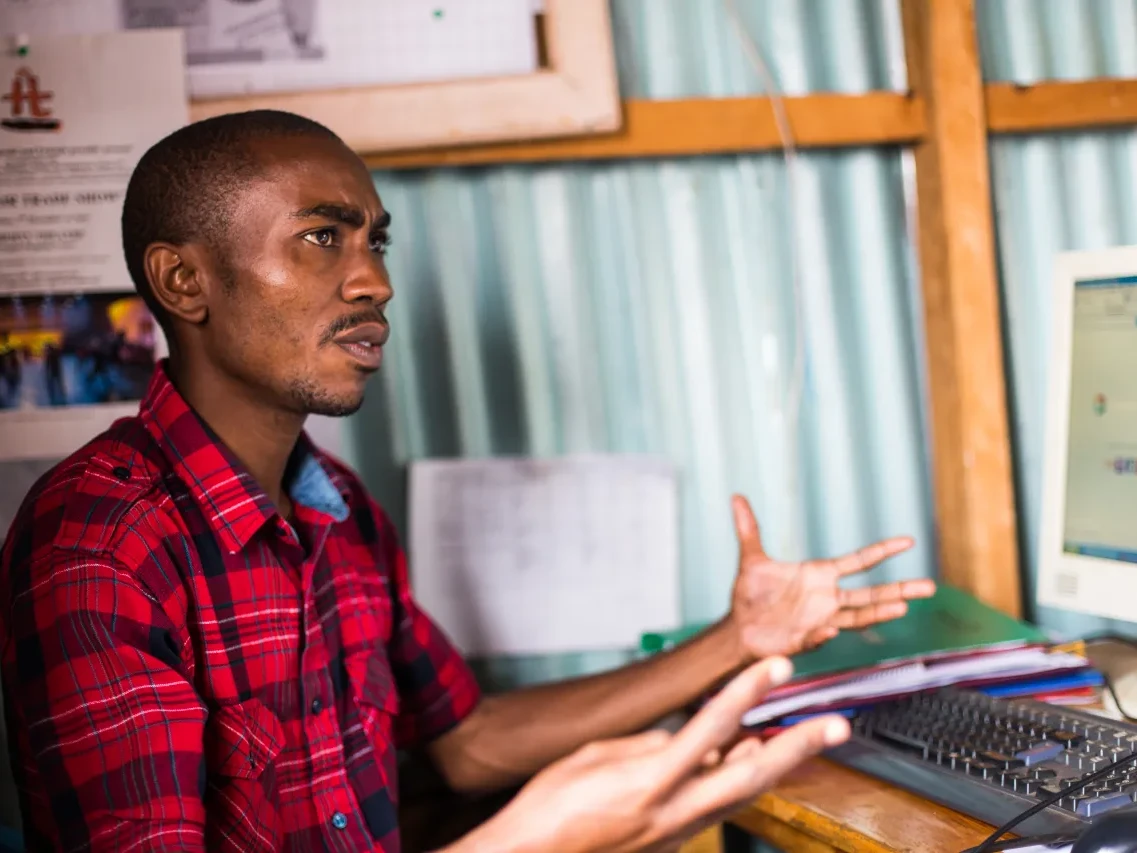
SHOFCO and the Global Alliance for Communities held a convening with community-based organizations (CBOs) and funders to unpack these challenges.
Here are the actions funders can take to drive localization.

Communities are experiencing layers of crises. Yet donors often approach “solutions” through a single entry point, like education or nutrition or climate change, when the reality is all of these challenges intersect.
Children can’t learn if they’re malnourished and the climate crisis is wiping out local farmers’ ability to feed their communities.
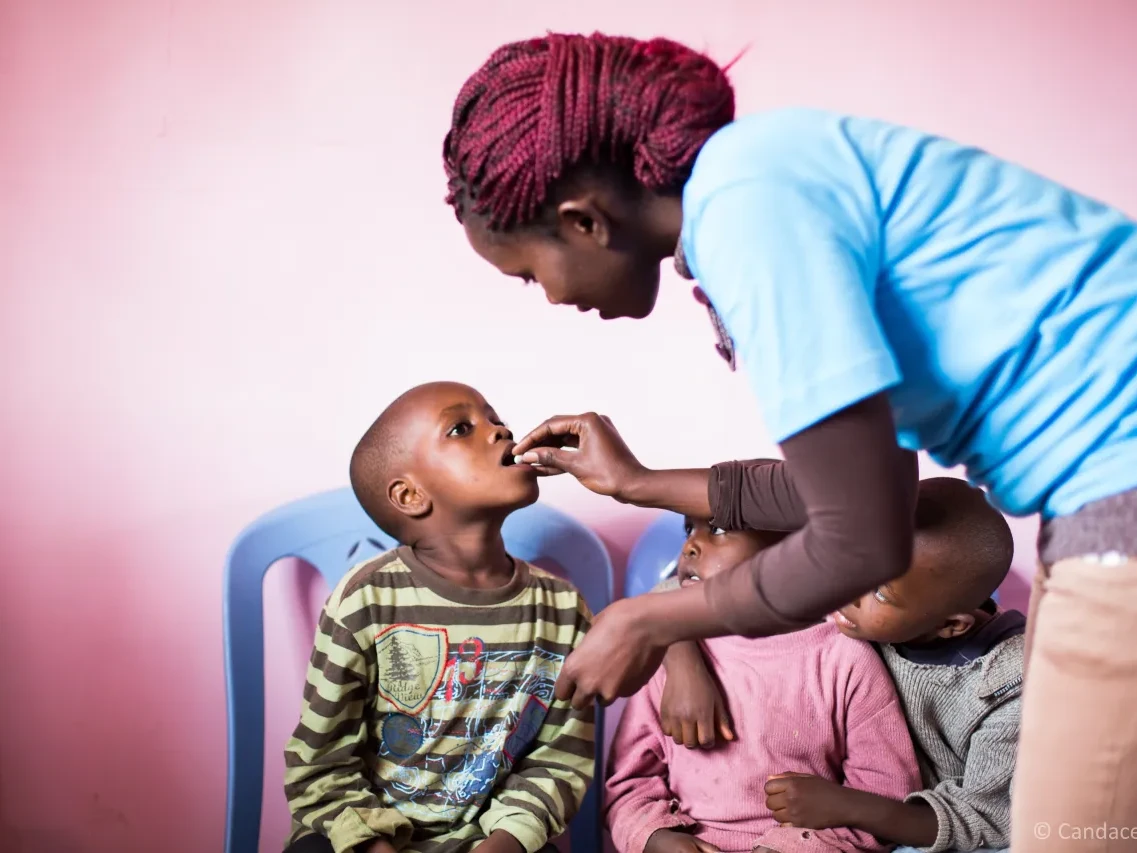
CBOs are created and led by local leaders who have deep experience and rich first-hand knowledge about the communities they live and work in every day. They understand the complex community dynamics, cultural needs, and power structures to most effectively tackle the biggest challenges.
If donors listen to what communities need and work with proximate leaders to co-design solutions, they will be better equipped to tackle challenges holistically.
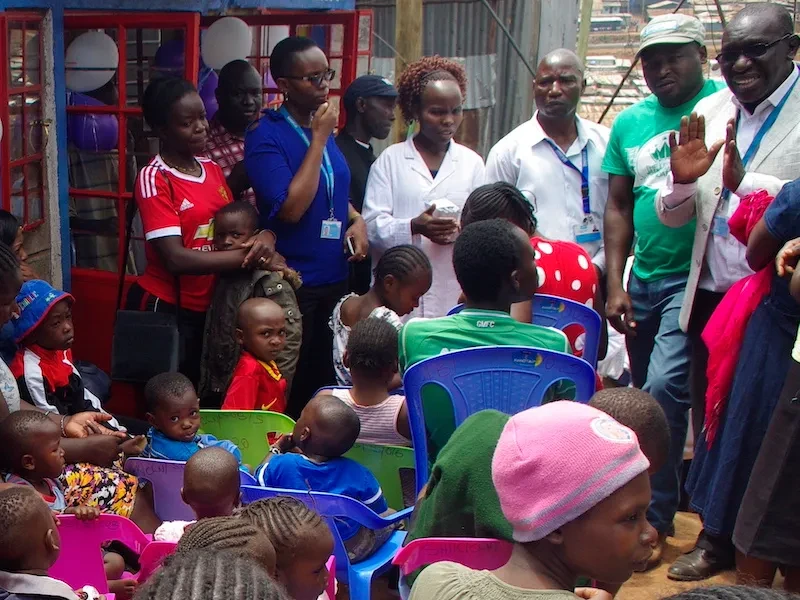
When funders trust local leaders, they are more likely to treat them as equal partners. And this is where the power begins to shift.
Traditional aid structures make it seem like “shifting power” is either the latest trend or that it is incredibly difficult. This is holding many funders back from taking action that could actually result in impact.
The key is understanding philanthropy not as charity but as solidarity.
This means funders engage with local communities and invest in locally-led solutions not only out of a moral obligation, but as a structural obligation – to transform lives and create a better world.
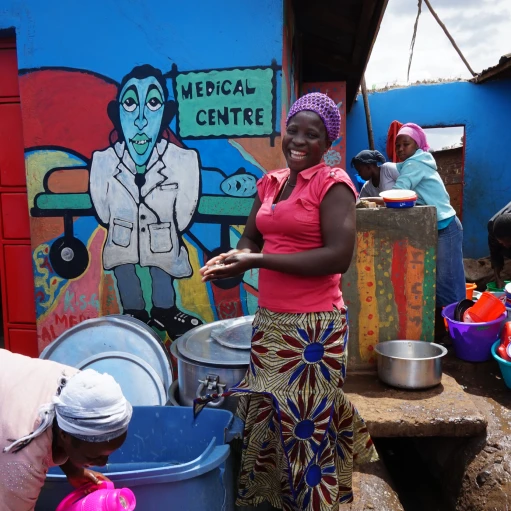
Funders often place arbitrary parameters on grant money, which prevents CBOs from doing the work they know will be the most impactful. CBOs are forced to chase funding that has limitations or matches changing priorities.
Philanthropy approaches at the height of the COVID-19 pandemic demonstrated how much is possible when funders step outside more traditional models. For example, CBOs worked with organizations who offered funding with no strings attached, which allowed them to keep their organizations afloat and distribute resources and services directly to people who needed it the most.
With access to more flexible and less restrictive funding, CBOs will have greater access to resources, and will be better positioned to strategically plan for the future.
When creating grant applications and reporting requirements, it’s essential for funders to ask themselves, “Who does this serve?”
Questions like this should be asked at every step of the grantmaking process to ensure funders aren’t missing opportunities to partner with CBOs because of outdated requirements.
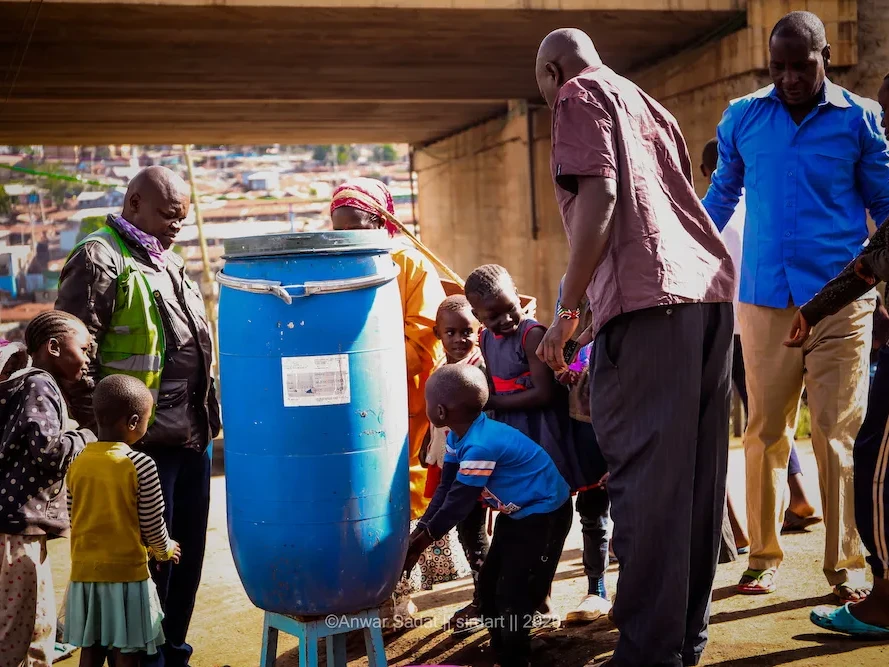
Funders also must recognize that cultural differences can create barriers when funding local projects and organizations.
CBOs often come from different backgrounds, or speak other languages, and stringent application requirements fail to create space for this. Grant applications often require extensive paperwork and reporting requirements, which doesn’t take into account the capabilities and capacity of CBOs.

Success in local grant-making is often difficult to measure using traditional metrics and reporting standards.
Funders need to change mindsets and reconceptualize value. When local grants are funded, there is often a lack of alignment about what success looks like. There needs to be more space for qualitative impact that speaks to long term change and markers along the way.
Instead of success being defined by funders, metrics should be co-designed with local organizations to ensure that they are focused on what matters for the communities they are serving.
white paper
Road to Localization
Take a deeper dive and learn how funders can become champions for the localization of aid.

