

Skilling for a better world
Kisumu’s Kamakowa Jamtaka CBO Secures New Funding for Youth Empowerment.
Kamakowa Jamtaka, a community-based organization in Obunga, Kisumu County, has secured new funding to launch its Youth Voice Empowerment Program. This achievement marks an exciting milestone for the team and for the wider Global Alliance for Communities network, following their participation in our grant and resource mobilisation training.
Founded to advance youth economic empowerment and climate action, Kamakowa Jamtaka focuses on creating employment within the circular economy through waste recycling and value addition. Before the training, the organization had found it challenging to turn its ideas into competitive proposals and connect with potential partners.
What our training unlocked
Through our in-person and online sessions, the team gained practical tools for fundraising, proposal writing, partnership building, and donor engagement. They learned how to identify funding opportunities, build strong project narratives, and align proposals with donor priorities.
Equipped with these skills, the team strengthened their concept note into a compelling proposal addressing youth unemployment, leadership, advocacy, and civic participation in their community.
Words from the leadership
According to the organization’s leadership, the grant will support youth leadership training, skills development in soap making, modern farming techniques, and advocacy activities that amplify young people’s voices.
“The trainings from the Global Alliance for Communities gave us the confidence and skills we needed to compete for funding. It transformed the way we develop proposals and engage with partners,” said Isaiah Okethi, team lead at Kamakowa Jamtaka CBO.
Where are they heading
We are proud to celebrate Kamakowa Jamtaka’s success and the tangible impact of community-led learning across our network. Their achievement reflects the strength of local leadership and the value of investing in practical, accessible capacity building.
With this new funding, Kamakowa Jamtaka is ready to support a new generation of young leaders and expand skills-building opportunities across the region.


Peace and resilience in Sierra Leone
Young Africans Community Empowerment Initiative is strengthening opportunity and resilience in rural Sierra Leone.

A youth-led vision for progress
The Young Africans Community Empowerment Initiative, Sierra Leone (YACEI-SL) is a youth-led community-based organization rooted in the rural eastern region of the country. Based in Kenema and serving hard-to-reach communities across Upper Bambara Chiefdom and Kailahun District, YACEI-SL is committed to investing in girls, women, children and youth, while promoting peace, quality education, social justice and human dignity.
YACEI-SL was founded in 2002 by five young people who had witnessed the deep social and economic fractures left by Sierra Leone’s 11-year civil war. What began as a small effort by determined youth in Bomaru Town has grown into a registered community organization providing support across a range of pressing challenges. Their work spans education, peacebuilding, agriculture, food security, income generation, health promotion, prevention of gender-based violence, human rights, climate change and community development.
Program spotlight
Across Sierra Leone’s eastern region, rural communities face persistent challenges in education, livelihoods, health and gender equality. YACEI-SL addresses these gaps through initiatives that improve access to schooling, support income-generating activities and promote community health and wellbeing. Their work in food security and agriculture supports families who rely on small-scale farming, while their focus on peacebuilding and human rights strengthens community cohesion after decades of social disruption.
The organization also plays an important role in preventing and responding to gender-based violence, providing awareness, support and opportunities for women and girls who are often at the greatest risk. As climate change intensifies pressures on rural communities, YACEI-SL helps families adapt through community-led approaches to resilience and sustainable development.
Where they are heading
What began with five young founders in Bomaru Town has grown into a dynamic movement for opportunity, dignity and peace. YACEI-SL’s work is opening pathways for women, children and youth in some of Sierra Leone’s most underserved communities, and their model is paving the way for long-term progress rooted in resilience and local leadership.
Learn more about YACEI-SL via our Membership Directory.

Seeds for progress
Change for Planet Foundation is helping communities shape sustainable futures through climate action, digital inclusion and community-led development.
Change for Planet Foundation (C4P) is transforming communities across Kenya through behavior change, climate action, and community-led development. Guided by their 4Ps philosophy, Planet first, then People, then Peace for Progress, C4P connects environmental stewardship with livelihoods, food security, digital inclusion, and community resilience.
Their work contributes directly to a wide range of Sustainable Development Goals, from clean energy and responsible consumption to reduced inequalities and decent work.
Recent highlights
Seeds4progress initiative
Across Western Kenya, smallholder farmers are facing increasingly unpredictable weather, shrinking harvests and rising food insecurity. C4P’s #Seeds4Progress project, which is currently underway, is bringing timely support to farmers who need it most.
Through the Climate Action and Agriculture Programme, C4P is distributing certified high-yielding and climate-resilient Ramses hybrid sorghum seeds to farmers in Kakamega and Vihiga counties. In partnership with First Bridge Foundation, farmers are receiving subsidised 2 to 5 kilogram seed packs along with training on good agricultural practices and support to connect with feed processors and other buyers.
The results emerging from the pilot phase point to significant gains. Yields that once averaged about one tonne per hectare are now reaching between 3.5 and 5 tonnes. For many households, this increase translates into four to six months of food reserves and new income opportunities from livestock feeds and commercial demand.
As the distribution continues, farmers are reporting renewed confidence in their ability to withstand climate pressures and rebuild food security for their families.
Collaboration with the Institute for the Study of Human Rights at Columbia University
Alongside their current work with farming communities, C4P recently had the opportunity to speak about their approach on an international platform. In a virtual session hosted by the Institute for the Study of Human Rights at Columbia University, Western Regional Programs Coordinator Rachael Ambale and Partnerships and Resource Mobilization Officer Ariella Kissin engaged directly with students who are preparing to become future human rights practitioners and policy leaders.
The session introduced students to C4P’s community-led model and highlighted the Student Volunteer Program, which connects learners with practical experience during their semester abroad. Through this program, students are paired with alumni of the Human Rights Advocates Program, a capacity-building initiative that supports NGO leaders working in marginalized communities across the world.
Program spotlight
In Chegulo Village in Malava Sub-County, Kakamega County, C4P is addressing another barrier facing rural communities. Through the Digital Literacy Empowerment Program, the organisation is helping to close the digital divide by offering training in basic computer skills, internet navigation and online safety.
Using refurbished devices and relying on newly electrified community spaces such as Chegulo Market, the programme provides hands-on learning that helps participants apply technology in their daily lives. Farmers are learning how to market produce online. Young people are accessing e-learning platforms. Women running small businesses are discovering new ways to reach customers.
With a target of reaching more than 500 residents in its first phase, the programme supports Kakamega County’s broader vision of inclusive digital growth and ensures that communities are not left behind as opportunities shift to digital platforms.
Where they are heading
Across all their programs, Change for Planet Foundation is guided by a simple belief. Sustainable development begins with sustainable mindsets. Whether it is improving harvests, expanding digital access or connecting local leaders to global networks, their approach prioritises community ownership and practical skills.
As climate challenges intensify and economic opportunities evolve, C4P continues to build the capacities that help communities adapt, innovate and thrive. Their vision of Planet, People and Peace for Progress remains at the heart of their work and at the center of the change they champion.
Rebirth of a Queen
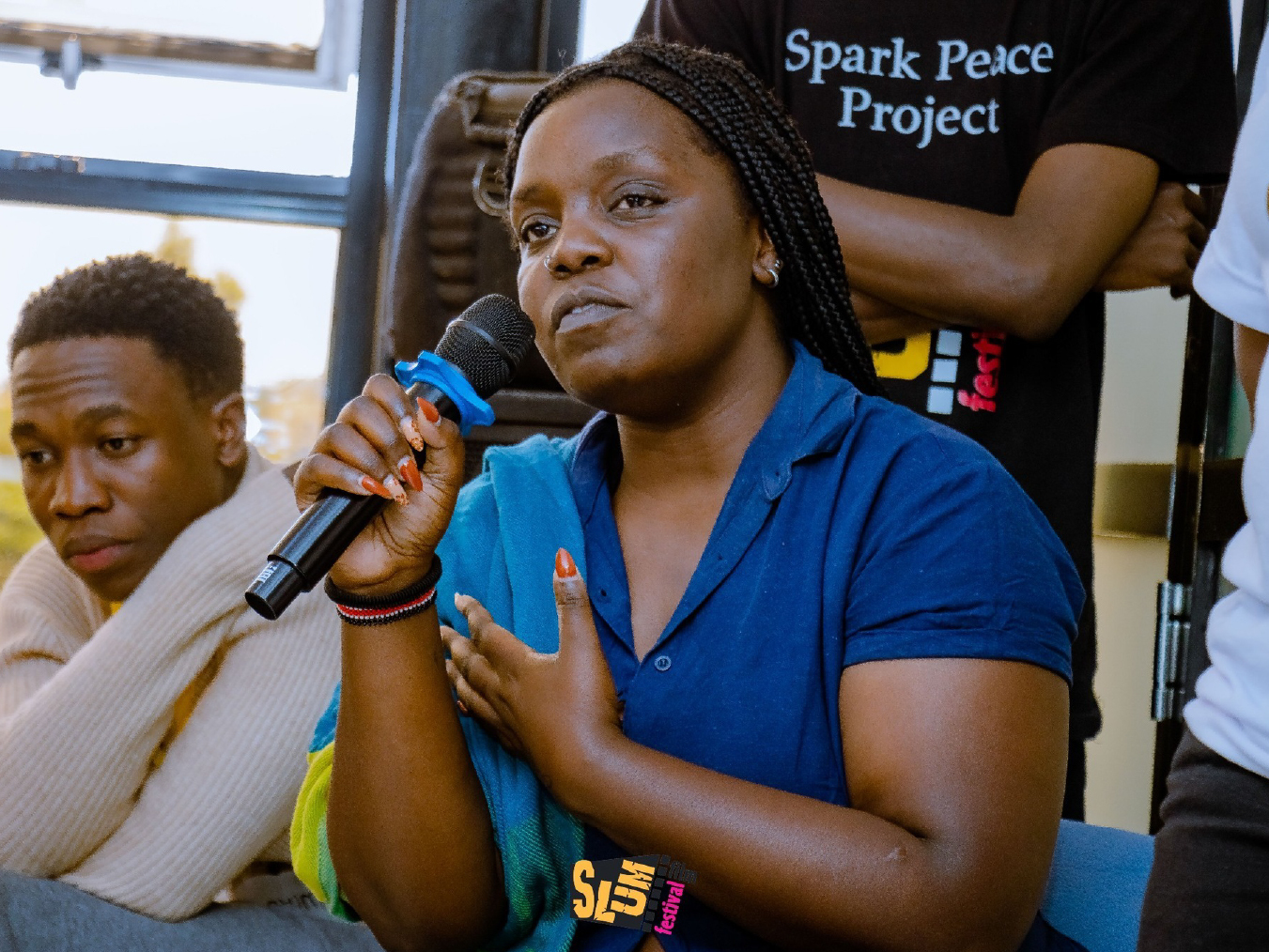
Pauline Akinyi is the founder of Rebirth of a Queen, a women-led organisation based in Kajiado County, Kenya, that offers shelter, skills training, and healing support to survivors of gender-based violence. A poet, mentor, and community advocate, Pauline has dedicated her life to guiding others, drawing on her own experiences of survival and transformation.
Raised in Nairobi’s largest informal settlement, Kibera, Pauline understood early the realities of urban poverty. School felt like one of the few places where she could imagine something more for her life. “I really loved school, it felt like an escape from the difficulties of life,” she says. But at 16, a violent assault changed everything. Silenced by fear and stigma, she continued with her education while carrying the weight of unspoken trauma.
“That’s the case for many survivors. They don’t report what happened, not because they don’t want justice, but because they’re protecting their families, or because they know society won’t believe them.”
Despite these challenges, Pauline completed high school and began the long journey of healing. After leaving an early marriage that became unsafe, she found strength in her voice, sharing her story with girls in her community who, like her, had experienced violence. Through poetry and creative expression, she began to transform pain into power. These conversations laid the foundation for Rebirth of a Queen.
“During the pandemic, I received an alarming call about a 13-year-old girl who had been abused, and that broke me. Despite the lockdown, I travelled to Kibera to help her. I knew from experience that what she needed most was safety and a place to heal.”
That moment cemented Pauline’s vision. Rebirth of a Queen began as a safe space for girls and women escaping abuse. Today, it has grown into a dynamic ecosystem of care and opportunity. Based in Kajiado County, where rates of forced child marriage and female genital mutilation (FGM) remain high, the organization provides emergency shelter, trauma-informed psychosocial support, and income-generating skills to help survivors rebuild their lives.
“We started with passion, and along the way, partners, both big and small, have walked with us. Six years later, we’ve worked with over 500 young people, 85% of them young women. Many have come through our shelter and gone on to lead independent, thriving lives.”
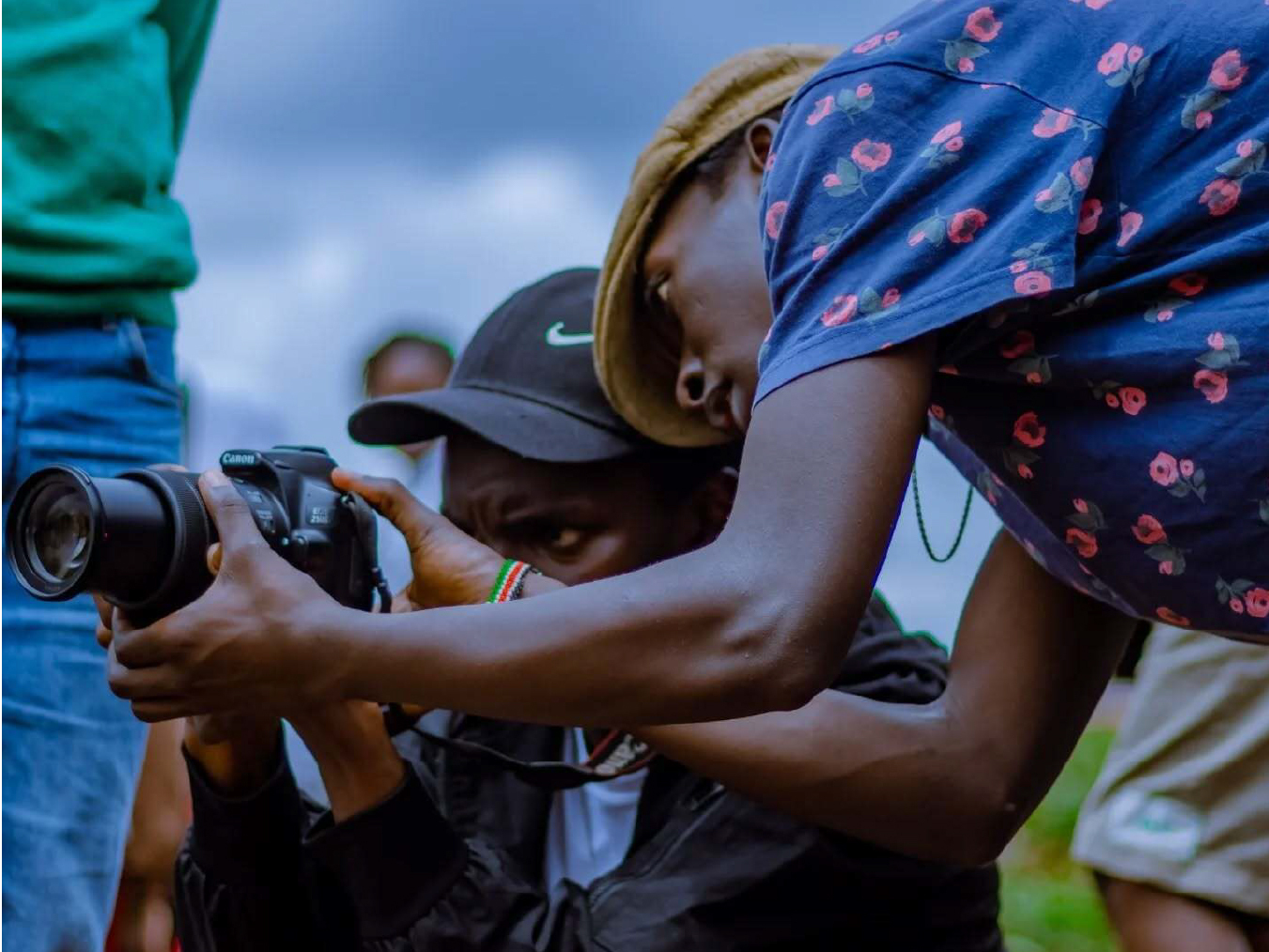
The organization’s training programs are rooted in creativity and economic resilience. Women learn leatherwork, paper crafts, photography, and digital marketing, skills that are not only marketable but also restorative. “This is not charity,” Pauline says. “We’re building power. Survivors don’t need pity. They need tools, confidence, and opportunities.”
Where They are Heading
In 2023, Pauline launched One Digital Hub, a community space offering training in digital literacy, content creation, and online marketing. The hub is open to all and serves as a vital resource for graduates who need access to equipment to put their skills into practice.
“Sometimes a young person comes in and it’s their first time touching a computer. We need to bring these hubs closer to the grassroots, so youth can familiarise themselves with technology before we even start talking about jobs.”
 With an average of 25 visitors per day and growing demand, One Digital Hub is part of a broader push to prepare young people for the digital economy, particularly in regions where only 19.5% of households have computer access. As Pauline explains, digital inclusion is essential to creating safe, sustainable livelihoods and reducing the vulnerabilities that lead to exploitation.
Learn more about the One Digital Hub and how it is contributing to youth empowerment in the Youth Digital Inclusion Roadmap.

Tanzania Community Rights Organization (TCRO)
Meet Ladislaus Ngeresa, the dedicated Executive Director of the Tanzania Community Rights Organization (TCRO), a GAC member based in Kigoma. TCRO is unwavering in its mission to serve refugee communities displaced by conflict in neighboring Burundi, Rwanda, and the Congo, advocating passionately for those facing significant health risks and pervasive social marginalization.
Who They Are
Based in Tanzania's Kigoma region, the Tanzania Community Rights Organization (TCRO) was established in 2022 and officially registered as a non-governmental organization. TCRO focuses intensely on advocating for and protecting the rights of individuals within marginalized communities, including refugees, migrants, and vulnerable Tanzanian citizens. Their mission is to foster a society where human rights are respected, and essential health and legal services are universally accessible, free from stigma and gender-based violence.
Executive Director Ladislaus Ngeresa's personal journey deeply informs TCRO's vital work. He shares, "I previously did extensive work in a refugee camp. Therefore, I have seen firsthand the challenges they face because when you are confined to a camp, you only receive the services specifically available there, not other services.
" This experience fuels TCRO's dual commitment: "We are focusing on two areas: legal assistance, in terms of raising awareness in the community, and also providing legal assistance for those who encounter challenges as refugees, those who face issues like police arrests and such. We help them." Beyond direct legal aid, TCRO also actively strengthens government efforts to ensure these vulnerable groups receive crucial education, particularly around HIV testing, and gain access to necessary medicines and preventive treatments.
Impact and Partnerships
Becoming a member of the Global Alliance for Communities (GAC) last year has significantly amplified TCRO's reach and impact. "We have felt a lot of impact," Ngeresa shares. "I have gotten connections with many other organizations and donors, meaning our organization will have funders, because we believe the Global Alliance for Communities is a large organization with many branches. This makes it easy for us as TCRO to be heard.
"This network has been instrumental in securing vital resources that directly benefit communities on the ground.
Ladislaus also delivers a powerful message to donors, underscoring the direct benefits of supporting local organizations: "It is important that you sit together and see the great importance of supporting these local organizations. Why? Because if you support local organizations in terms of funding or finance, it will be easier. The money will have more direct results in the community than when given to large organizations, because we, local organizations, are the only ones directly in the community to help people who lack a voice. We can amplify their voice."
Where They Are Heading
TCRO's unwavering commitment to empowering and protecting the rights of those at risk is central to building resilient and equitable societies. Their efforts highlight the indispensable role of grassroots organizations in navigating complex humanitarian challenges and delivering impactful solutions directly within communities. Ladislaus and his team continue to drive forward, advocating for increased recognition and support for localized approaches that truly understand the nuanced needs of vulnerable populations.
Learn more about Tanzania Community Rights Organization (TCRO) at https://tcro.or.tz/en

Umuri Foundation (Rwanda)
Meet Jimmy Mulisa, a former Rwanda National Team striker who now leads the Umuri Foundation, a Kigali-based charity using football and education to steer youth away from harmful influences and equip them with skills to shape their futures and strengthen their communities.
Who They Are
Based in Rwanda’s capital city, the Umuri Foundation was established in 2018 by former national team player Jimmy Mulisa, following a successful football career that spanned clubs in Rwanda, Europe, and Asia. The Foundation taps into the power of sports and education to steer young people away from harmful influences and help them build the skills and confidence to shape a better future.
“After retiring from professional football, I returned home from Europe and was deeply moved to see so many young people still facing challenges beyond their control, challenges that I also faced. That moment led me to establish the Umuri Foundation, driven by a belief in football’s unique power to transform lives and create positive social change.”
Jimmy, who grew up as a refugee in the 1990s during a period of intense political instability in Rwanda, says his love for football runs deep, not just for the sport itself, but because of the transformation it brought to his life and family.
“Football has always been more than just a sport for me...it was my safe space growing up. It was a source of hope, and the only path I believed could help uplift my single mother and family from poverty. Football changed my life, and I started Umuri Foundation to leverage the unique potential of football to create positive change,” Jimmy explains, adding that “umuri” means light in his local language.
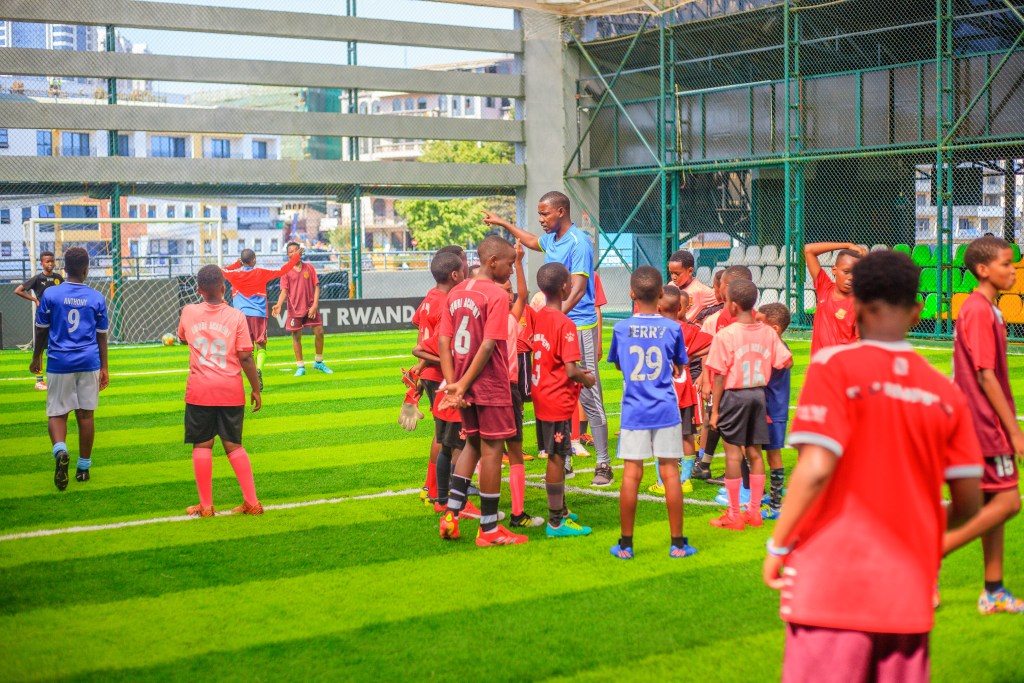
The Umuri Academy, the Foundation’s flagship program, provides school scholarships and football training that help young people thrive both in and out of the classroom. Complemented by leadership training, sexual and reproductive health education, and community outreach initiatives, the Foundation empowers youth to succeed and communities to thrive.
“Our programs are designed to protect youth from negative influences, while empowering them with the life skills, confidence, and opportunities they need to break the cycle of poverty and thrive in their communities. Through our efforts, we strive to shape a brighter future for young people across Rwanda.”
Jimmy notes that sport is a strong draw for youth in Rwanda, a country with a vibrant football culture and high-profile government partnerships with global clubs like Arsenal, Bayern Munich, and Paris Saint-Germain. By engaging youth through football, Umuri promotes broader goals around gender equality, sexual and reproductive health, economic empowerment, and climate action.
Since launching in 2018, Umuri Foundation has engaged over 15,000 children and youth through sports events across Rwanda, supported 500 street children through reintegration programs in Kigali, and provided 800 free HIV tests. Several of the Academy’s top trainees have also secured opportunities for international training.
Where They are Heading
With Rwanda’s youth population growing, Jimmy remains committed to nurturing young talent and expanding opportunities for the next generation.
“I am deeply passionate about nurturing young talent and empowering communities through sport. My goal is to use my experience and leadership to inspire the next generation of student-athletes…helping them build skill, confidence, character, and a brighter future.” Looking ahead, Jimmy also hopes the Foundation’s outreach and leadership programs will inspire more youth to become agents of change in their communities.
“Development has to start from within, because we understand each other. We know the pain, we know the challenges. Grassroots organizations shine because they truly know the situation on the ground. We know our problems. If we continue working hard, instead of complaining, we can find the solutions ourselves.”
To learn more, visit their website.

Manyatta Metameta CBO (Kenya)
Across the Alliance, grassroots leaders are unlocking local expertise to drive bold, practical solutions to climate challenges. One of them is Evance Okoth, founder of Manyatta Metameta CBO, who is advancing climate action through locally rooted solutions to food insecurity and youth unemployment.
Who They Are
Manyatta Metameta is a youth-led community-based organization in Manyatta B informal settlements, Kisumu County. Founded in March 2020, it grew from a collective resolve among local youth to combat the dual challenges of food insecurity and youth unemployment.
“We empower women and youth to grow vegetables at their doorsteps using locally available materials. This technique is an effective way to produce fresh vegetables, requiring less water, minimal space, and reduced effort. We have seen that this is particularly beneficial for women who can tend to their gardens, as they handle other household responsibilities,” Evance explains.
Alongside hands-on training in urban agriculture, Manyatta Metameta equips youth with business skills that open pathways to self-employment. By showcasing the potential of agribusiness, they’re challenging stereotypes about farming and inspiring a new generation to engage in environmental stewardship.
“Through their outreach, they have made agriculture look more attractive to us as young women, and it is now drawing more youth into vegetable production as a source of income,” testifies Tresi Agatha, as she harvests fresh skuma wiki vegetables.
What They Do
In an area where many families face high food costs and limited access to fresh produce, Manyatta Metameta has turned abandoned plots into thriving gardens. Using vertical farming, sack gardening, hydroponics, and other techniques, the organization supports three core program areas:
- Urban agriculture training: Offering practical skills in rooftop farming, aquaponics, and sustainable gardening.
- Women and youth empowerment: Providing pathways to income through farming and value-added products like dried herbs and sauces.
- Community food distribution: Running a neighborhood food bank to supply nutritious food to vulnerable households, especially during crises.
Over the past five years, their efforts have supported over 300 households in adopting urban farming, while more than 500 women and youth have been trained in sustainable agriculture and agribusiness.
Impact in Action
With the establishment of a youth training center and partnerships with local businesses, Manyatta Metameta has scaled its reach. Five community gardens now supply fresh vegetables to local schools, improving child nutrition in the Manyatta area.
Despite challenges like water scarcity and land tenure issues, the organization continues to innovate—introducing methods like cone gardening, hanging gardens, azolla production, and black soldier fly education to strengthen local food systems. They also promote the use of indigenous and drought-resistant crops suited to local soils and climate conditions.
Where They’re Heading
As climate impacts intensify across Western Kenya, Evance remains deeply committed to engaging youth in climate-smart urban farming. He urges governments and international organizations to recognize the proven track record of local leaders and invest in the solutions they’re already delivering within their communities.
“Our organisation is a testament to how grassroots efforts can drive meaningful change in food security. By empowering local communities with knowledge and resources, we’ve not only addressed hunger but also fostered economic growth and social cohesion in Manyatta.”

The impact of the USAID funding freeze - Zachuas Ogonji (Kenya)
The USAID funding freeze has severely impacted grassroots organizations, especially smaller CBOs with limited financial buffers.
In January, the United States imposed a 90-day freeze on foreign development assistance pending policy reviews. As one of the world’s largest development funders, this decision has disrupted programs and partnerships worldwide.
A recent internal survey revealed that many of our members are directly affected, with some forced to halt program activities—impacting both the communities they serve and their relationships with partners. In this Member Perspective, Zachuas Ogonji, founder of Inua Village to Global, shares firsthand insights from the frontlines in Western Kenya.
USAID funding freeze impact
How were you directly impacted?
We were in the process of concluding an engagement framework with USAID to support families affected by HIV/AIDS. The program aimed to bring beneficiaries into our textile apprenticeship project, where they could learn skills. We also planned to collaborate in training them on kitchen gardens and other livelihoods to sustain themselves after the project ended. This chance to directly engage with USAID would have been a significant learning and partnership opportunity.
Unfortunately, the project got canceled immediately after the order was issued.
The cancellation affected many areas, including people already engaged, employed staff, shortlisted suppliers, and overall operations.
How would you compare the impact of this funding shift on grassroot organizations vs larger non-governmental-organizations (NGOs)?
Right now, it is the community-based organisations (CBOs) that are crying on behalf of the bigger international players who get millions in funding. We are the ones that get the trickle down of funding through these USAID projects.
The big organizations have enough safety nets against such things in terms of contractual agreements for their workers and obligations that each party has. But for smaller organizations, we usually don’t have the opportunity of negotiating power. Sometimes you just get what you are given and have to accept it.
What reputational risks do sudden funding changes pose to CBOs?
CBOs carry the bigger burden of being the ones that interface directly with the primary beneficiaries, and the people who depend on these services at the frontlines. So, there are a lot of risks for small community-based organizations that are community-facing.
If you receive funding, you might put up a small office, paint the place, and make it look nice, and people will start to come in. Then, suddenly, this funding is cut, and you haven’t found other alternatives. Quickly, you will face a backlash from your beneficiaries. They will think that you are lying, and that you wanted to take advantage of them.
In situations like these, implementing mitigation measures—and communicating them effectively to your beneficiaries—is crucial. Prioritizing trust-building with your community is essential, as funding shifts often impact programs that affect their daily lives.
How should local leaders approach sudden foreign aid shifts?
Policies change with each administration, and what the U.S. government wants should not dictate how we address problems in our own villages, a million miles away. As leaders, we need to see the bigger picture—global challenges and shifts are beyond our control, and we must continue solving problems locally, despite these external shifts.
The world has its own challenges and its own issues, and sometimes those trends align with what we are doing, so we get a lot of benefit from it. Sometimes the goals that advance our communities are in complete conflict with what the world wants.
Just like in business, even with the best planning and insurance, unforeseen events can still disrupt operations—but that doesn’t mean you stop. You only stop if funding was the sole purpose, which is short-lived thinking.
How can CBOs maintain program continuity in moments of uncertainty?
Where CBOs do best is finding people who are genuinely passionate about their work, programs and organizations. In times of crises, they will be willing to continue to volunteer, cut down their salaries or allowances.
I saw this in our schools, during the in COVID-19 crisis. Even after our [education program] supporters left, the teachers continued with very limited payment, because they understood the vision and they understood what we were working on. They would go on bikes to the homestead, to deliver assignments and food packages.
So, activate local networks and partner relationships. Be honest, clear, and involve them in finding the solutions. Prioritize building trust with your community. This is how you exercise community resilience.
Still on COVID-19 lessons, what can we learn about community engagement and resilience?
The lessons that we can draw from COVID and what is happening right now is, we need to build local identities. If you are recognized locally and the people understand you to be a CBO that is growing from the grassroots upward, and they can relate to what you are talking about and standing for, then they will jump in and work together.
Therefore, building a brand that is truly identified and accepted in your community is very key. If you do get funding, then spend some of that on naturalising your organisation. So, if the money ends, the community comes together to see how they can help you to survive. Rather than seeing you as an [external] organization, they see you as part and parcel of their existence as a community. The relationships you build in your community, over time, will determine the alternative resources you can raise.

What new outlooks should CBO leaders adopt to successfully navigate change?
We might look at it as a bad idea right now, because we are losing billions that have been invested in these projects, but every challenge brings with it opportunities. Nature does not like vacuum. If the US leaves, there will be other people who will step in. There will be other ways of mobilizing resources.
So change your perspective, and ask the right questions to see hidden opportunities. What are you replacing this funding with, and what value does it create? Does this shift create other opportunities to develop fresh solutions within your ecosystem?
It is a time to open up your antennae, be more connected and plug into the new environment. If your ideas are good and the projects you are undertaking create real benefits for beneficiaries—and if people are happy with the services you’re providing—then it doesn’t matter how small your organization is. People will come to you, and you’ll attract the necessary resources.
What would you like funders and partners to know?
The aid system has had its challenges, including creating dependency, limiting innovation, and failing to foster forward-looking, sustainable solutions. New [approaches that] provide accessible funding for capable organizations with strong ideas, could level the playing field and provide opportunities for sustainable development driven by the quality of their work.
If communities are empowered to engage in areas like carbon trade, leverage education policies, or access low-cost funding, it could stimulate more trade and innovation at the grassroots level. Teaching CBOs how to do business would reduce dependency on aid, and allow them to cascade benefits to their beneficiaries.
Zachuas’ parting shot
I think of CBOs like churches. Our churches in Kenya were brought by missionaries, but the missionaries left decades ago, yet the churches are still there. That’s because they became part and parcel of the community. People worship there, they give their land to build more and they volunteer to support them.
If we allow community members to engage in our organization, and be part of the transformation that is being created, then they feel a sense of ownership, which in turn cushions these community projects from the fluctuations in international funding.
For more information: Website
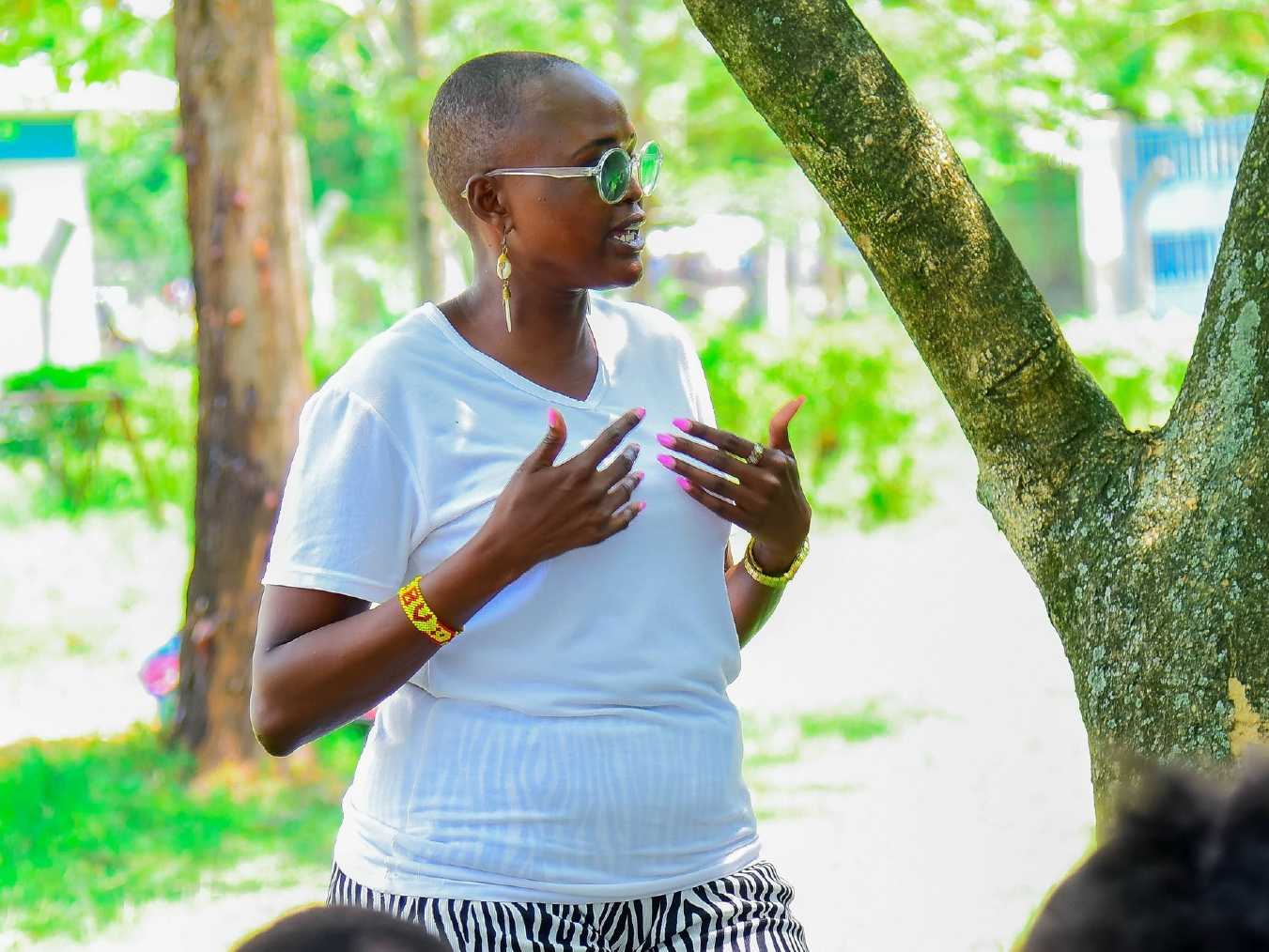
Youth Empowerment on Strategic Advocacy and Mentorship (YESAM)
This is how YESAM, a woman-led CBO, is advancing the fight for gender rights and reproductive health in Western Kenya.
As an Alliance of community leaders, we witness firsthand the powerful impact of women driving change at the grassroots. Women leaders are making strides by using their local expertise to build stronger communities and empower future generations.
One such member is Jeronim Obwar, the founder and leader of Youth Empowerment on Strategic Advocacy and Mentorship (YESAM), an organization dedicated to empowering women and girls in Western Kenya through sexual and reproductive health rights programs and advocacy.
Who they are
YESAM is a woman-led community-based organization (CBO) in Kisumu County that works to improve the lives of women and girls in informal settlements. They offer sexual and reproductive health education for youth, free access to reproductive health services, and social change programs focused on gender justice.
Jeronim Obwar founded YESAM to address pressing gender issues in her community, where young girls were dropping out of school due to early pregnancies, period poverty, and menstrual stigma. These girls, often from impoverished families, struggled to find gainful employment and lead dignified lives due to poor education, limited resources, and the challenges of early motherhood.
“YESAM ensures that women with disabilities, young mothers, and survivors of gender-based-violence are not left behind. We run programs tailored for women with special needs, ensuring they access reproductive health services without discrimination.”
Under Jeronim’s leadership, YESAM has provided menstrual health training and reusable sanitary kits to adolescent girls, enabling them to stay in school. The CBO has also established youth-friendly clinics that provide free contraception, STI screening, and confidential counseling. These free services ensure that young people who may not have the financial means to access such services can still receive the care they need.
In addition to their work in healthcare, YESAM is deeply committed to gender advocacy at the grassroots level. They collaborate with local organizations to champion gender justice and women’s rights, addressing key issues and championing attitude change among men and boys. This work is crucial, as sexual and reproductive health remains a taboo subject in rural Kenya, often creating critical gaps in information for youth.
Jeronim’s organization also works to influence reproductive health policy, advocating for local governments to offer free health services to marginalized women. This holistic approach to gender rights, along with her local expertise, has driven YESAM’s growth, attracting both local and international partnerships to strengthen their mission.
Where They are Heading
As they continue to grow, YESAM looks forward to partnering with organizations that center the voices and needs of marginalized women.
In Jeronim’s words, “True empowerment comes when every woman, regardless of background, has the right to make informed choices about her body and future. When we empower women with knowledge and choices, we create healthier communities and a brighter future for all. “
For more information: Facebook
Amazon Theatrix Ensemble
Read how Amazon Theatrix Ensemble is using performing arts to drive social change in Western Kenya.
At the Global Alliance for Communities, we believe in the power of collaboration to create meaningful change. Our expanding network in Western Kenya highlights the vibrant, community-driven initiatives shaping the region.
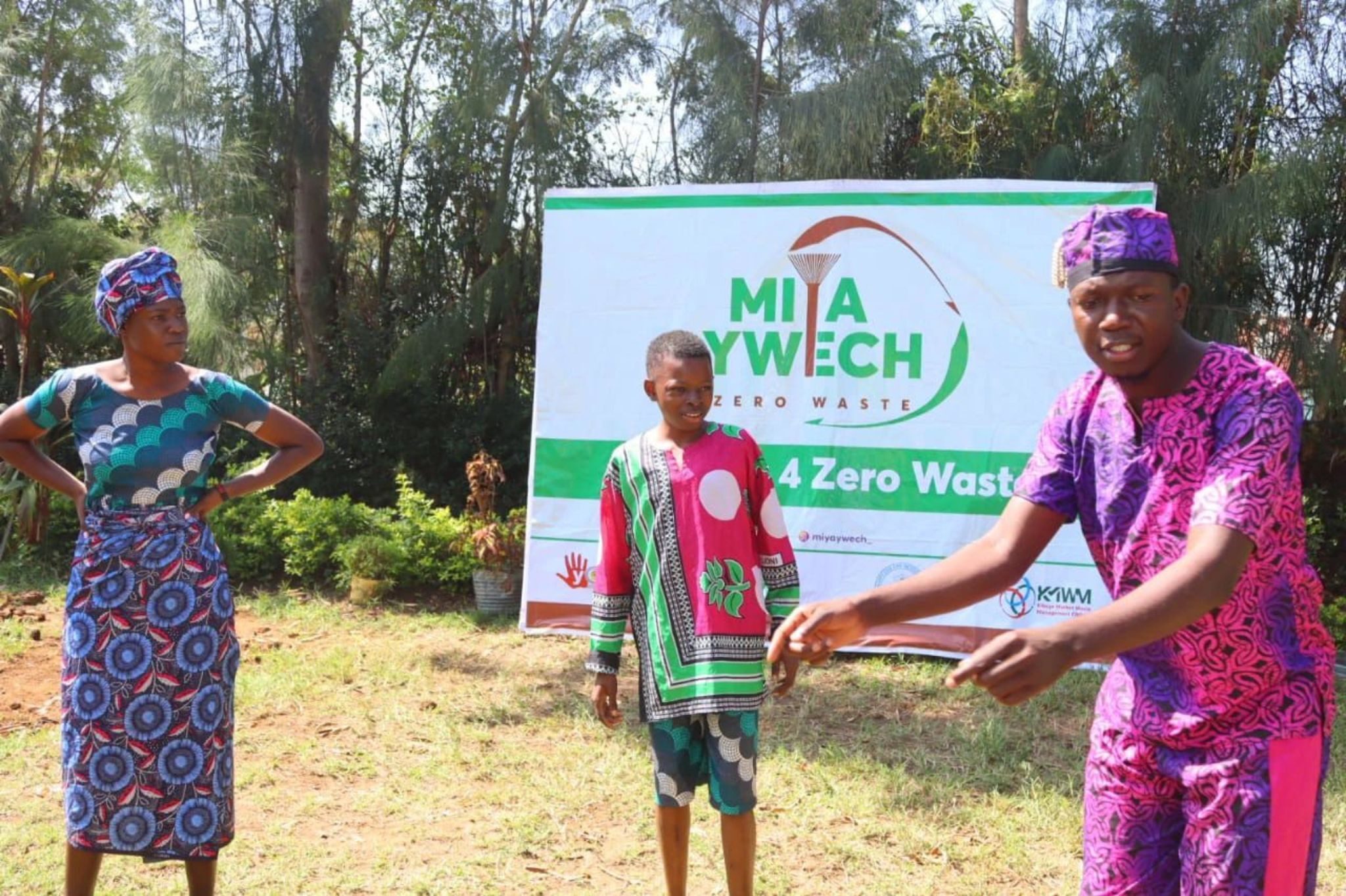
One such initiative making waves in Kisumu East is the Amazon Theatrix Ensemble—a youth-led organization using performing arts and media as a tool for awareness, advocacy, and empowerment.
Who They Are
Amazon Theatrix Ensemble is a collective of young artists and advocates committed to using performance as a tool for social change. They take stage into the communities, delivering multi-lingual performances where their audiences are.

“We are harnessing the power of performing arts and media to create awareness and drive action on critical social issues affecting our communities”
– Paul, an Artist, Peer Educator, and Mobilizer with Amazon Theatrix Ensemble
Through theatre, spoken word, and media, they address pressing community issues such as sexual reproductive health and rights, gender-based violence, climate change, democracy and governance, peace and security, mental health, and child protection.
Beyond their artistic value, these productions encourage community conversations on topics that are frequently stigmatized, feared, or misunderstood.By transforming real-life challenges into compelling narratives, Amazon Theatrix Ensemble creates awareness while empowering audiences to take charge of their own narratives.
Working alongside other community organizations, they develop themed performances that tackle pressing local problems. By embracing partnership, they have become a dynamic force in Kisumu East, merging creativity with advocacy to bridge gaps in information and social inclusion.
Beyond the stage, they also provide mentorship and training, equipping young people with skills in performing arts, media production, and civic leadership.
Where They Are Heading
As they continue to grow, Amazon Theatrix Ensemble is looking to expand its reach and impact. They envision a future where performing arts serve as a powerful tool for activism and education, driving social change at scale.
With more resources and opportunities, they aim to create more avenues for young artists to develop their craft while making a difference in their communities. They see the arts as more than just entertainment—it is a platform for economic empowerment, social cohesion, and long-term development.
For more information: Facebook