

Pauline Akinyi is the founder of Rebirth of a Queen, a women-led organisation based in Kajiado County, Kenya, that offers shelter, skills training, and healing support to survivors of gender-based violence. A poet, mentor, and community advocate, Pauline has dedicated her life to guiding others, drawing on her own experiences of survival and transformation.
Raised in Nairobi’s largest informal settlement, Kibera, Pauline understood early the realities of urban poverty. School felt like one of the few places where she could imagine something more for her life. “I really loved school, it felt like an escape from the difficulties of life,” she says. But at 16, a violent assault changed everything. Silenced by fear and stigma, she continued with her education while carrying the weight of unspoken trauma.
“That’s the case for many survivors. They don’t report what happened, not because they don’t want justice, but because they’re protecting their families, or because they know society won’t believe them.”
Despite these challenges, Pauline completed high school and began the long journey of healing. After leaving an early marriage that became unsafe, she found strength in her voice, sharing her story with girls in her community who, like her, had experienced violence. Through poetry and creative expression, she began to transform pain into power. These conversations laid the foundation for Rebirth of a Queen.
“During the pandemic, I received an alarming call about a 13-year-old girl who had been abused, and that broke me. Despite the lockdown, I travelled to Kibera to help her. I knew from experience that what she needed most was safety and a place to heal.”
That moment cemented Pauline’s vision. Rebirth of a Queen began as a safe space for girls and women escaping abuse. Today, it has grown into a dynamic ecosystem of care and opportunity. Based in Kajiado County, where rates of forced child marriage and female genital mutilation (FGM) remain high, the organization provides emergency shelter, trauma-informed psychosocial support, and income-generating skills to help survivors rebuild their lives.
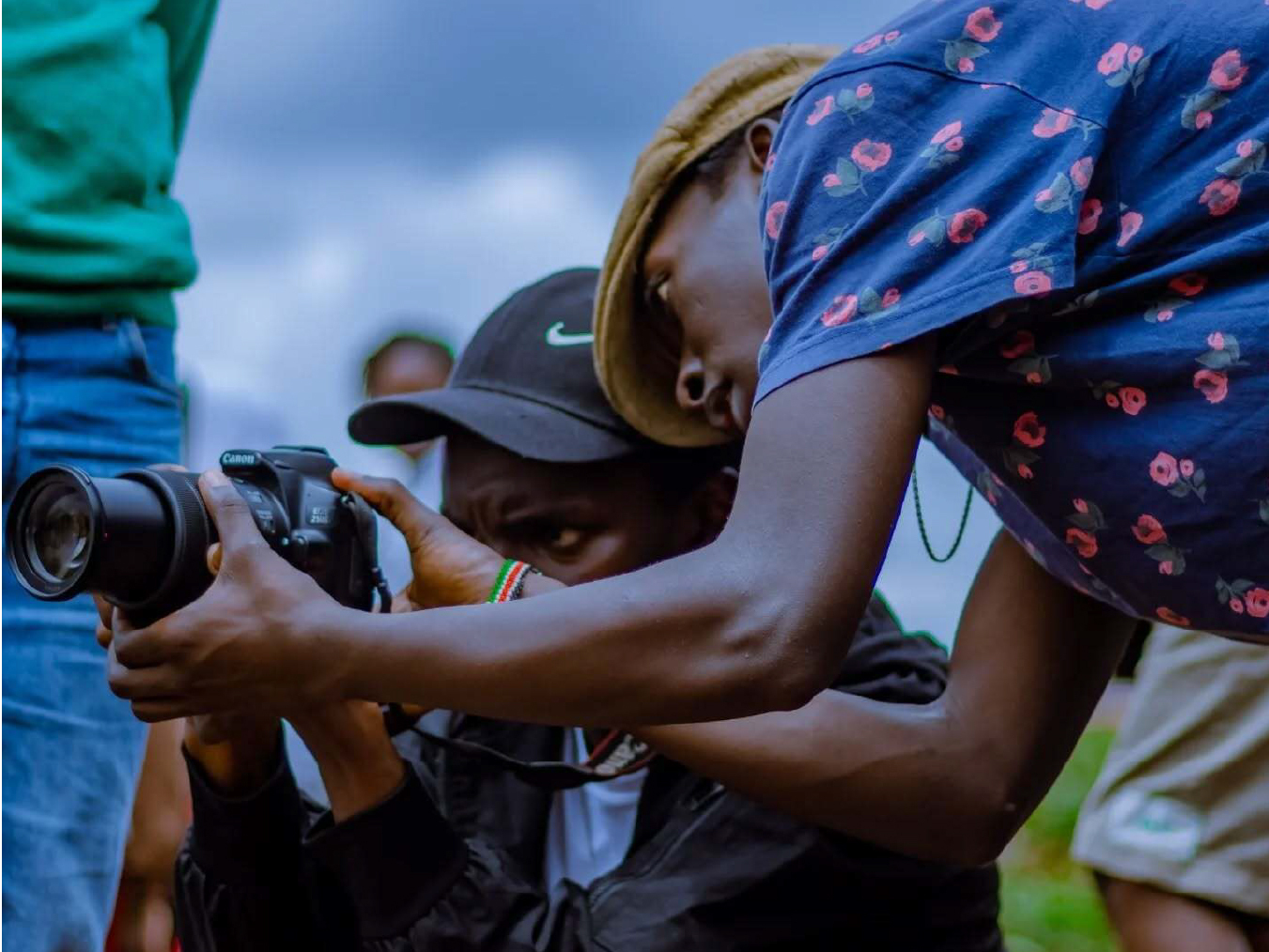
“We started with passion, and along the way, partners, both big and small, have walked with us. Six years later, we’ve worked with over 500 young people, 85% of them young women. Many have come through our shelter and gone on to lead independent, thriving lives.”
The organization’s training programs are rooted in creativity and economic resilience. Women learn leatherwork, paper crafts, photography, and digital marketing, skills that are not only marketable but also restorative. “This is not charity,” Pauline says. “We’re building power. Survivors don’t need pity. They need tools, confidence, and opportunities.”
Where They are Heading
In 2023, Pauline launched One Digital Hub, a community space offering training in digital literacy, content creation, and online marketing. The hub is open to all and serves as a vital resource for graduates who need access to equipment to put their skills into practice.
“Sometimes a young person comes in and it’s their first time touching a computer. We need to bring these hubs closer to the grassroots, so youth can familiarise themselves with technology before we even start talking about jobs.”
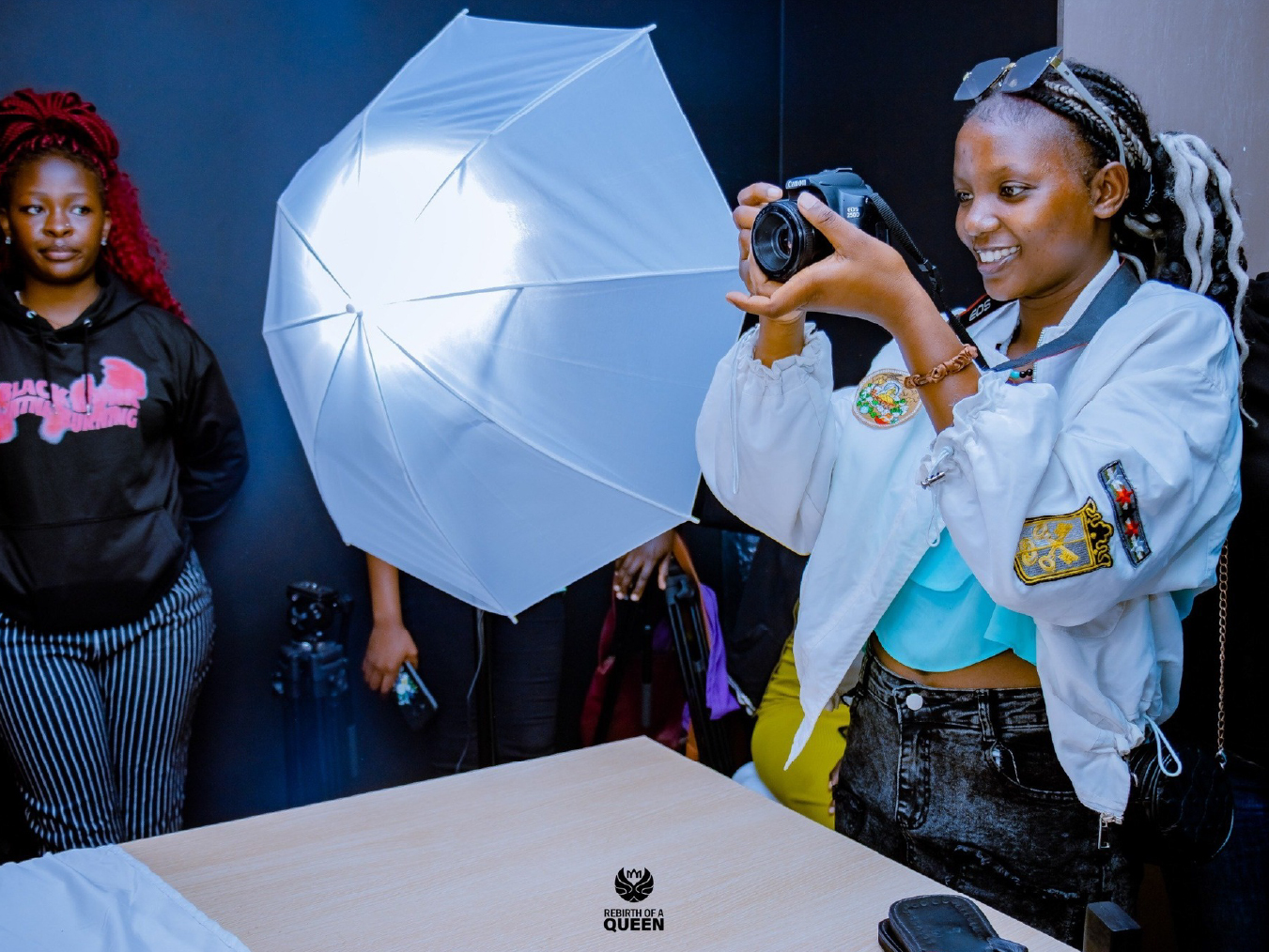 With an average of 25 visitors per day and growing demand, One Digital Hub is part of a broader push to prepare young people for the digital economy, particularly in regions where only 19.5% of households have computer access. As Pauline explains, digital inclusion is essential to creating safe, sustainable livelihoods and reducing the vulnerabilities that lead to exploitation.
Learn more about the One Digital Hub and how it is contributing to youth empowerment in the Youth Digital Inclusion Roadmap.